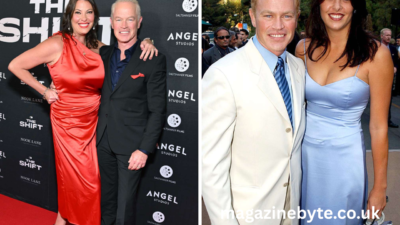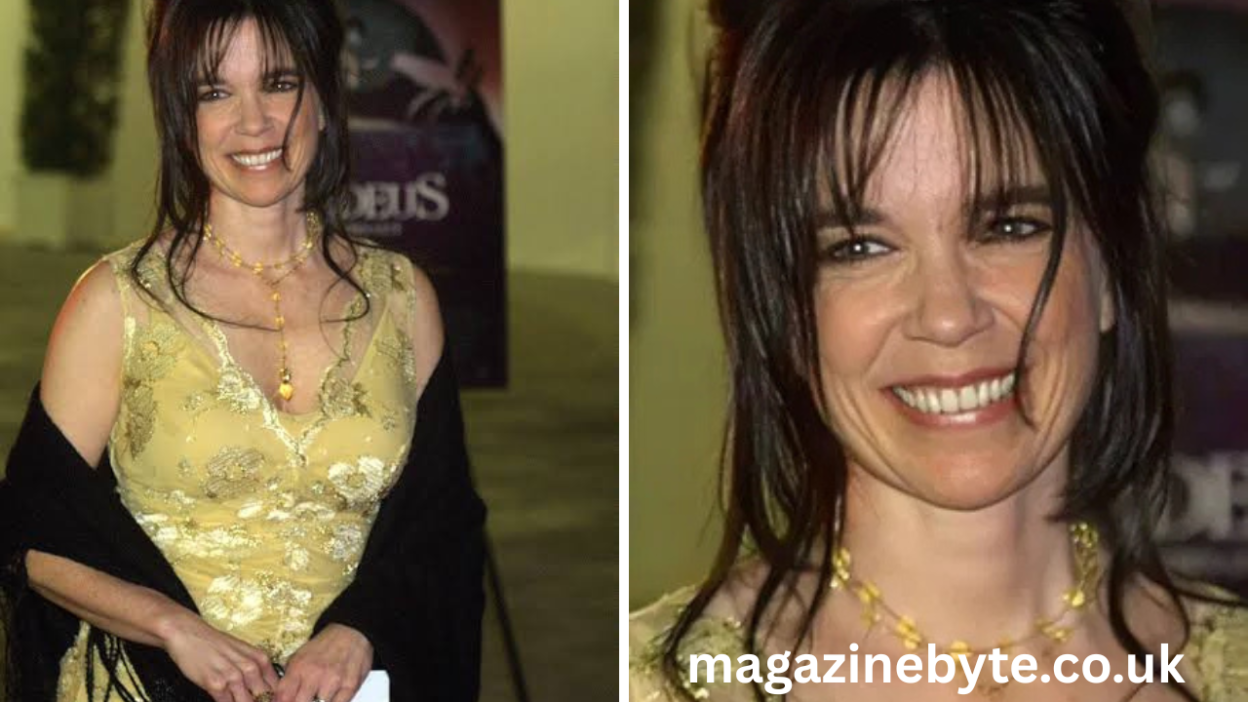
Elizabeth Berridge is an American actress whose name remains strongly connected with some of the most memorable film and television projects of the 1980s and 1990s. She is best known for playing Constanze Mozart in the Oscar-winning film Amadeus, a role that introduced her to international audiences and secured her place in classic cinema history. She is also remembered by horror fans for her starring role as Amy Harper in The Funhouse, a 1981 horror film directed by Tobe Hooper. In television, she gained further recognition as Officer Eve Eggers in The John Larroquette Show, where she showed her talent for comedy and ensemble acting.
Although Elizabeth Berridge is not the kind of celebrity who has constantly lived in the spotlight, her career is full of interesting details. She has worked in film, television, theatre, drama, horror, comedy, and independent cinema. Her performances often stand out because of their natural emotional quality. She has a way of making characters feel real, vulnerable, funny, anxious, and human. Whether she is playing a frightened teenager in a carnival horror film, Mozart’s devoted but frustrated wife, or a comic police officer in a sitcom, Berridge brings personality and warmth to the screen.
The keyword Elizabeth Berridge is often searched by people who want to know about her biography, movies, television shows, personal life, husband, career after Amadeus, and what she is doing today. Some people also search for related keywords such as Elizabeth Berridge actress, Elizabeth Berridge Amadeus, Elizabeth Berridge The Funhouse, Elizabeth Berridge Constanze Mozart, Elizabeth Berridge movies, Elizabeth Berridge TV shows, Elizabeth Berridge Kevin Corrigan, and Elizabeth Berridge today. This article explores her life and career in detail while focusing on her journey as an actress and the legacy she created through her work.
Early Life and Background of Elizabeth Berridge
Elizabeth Berridge was born on May 2, 1962, in New York. She grew up during a period when American film and television were changing rapidly. The 1970s and early 1980s opened doors for young performers who had a natural screen presence and could work in realistic, character-based stories. Berridge entered the acting world at a young age and began building her career through film and television roles before becoming widely known.
Her early background is important because she did not emerge as a traditional Hollywood star shaped only by glamour or publicity. Instead, she developed as a working actress with a strong connection to performance. Her acting style was natural, expressive, and emotionally direct. She was able to play characters who seemed ordinary on the surface but had depth underneath. This quality became one of the strongest features of her career.
New York has always been closely connected with theatre, television, and film, and Berridge’s early exposure to that environment likely helped her understand performance from a serious artistic angle. Many actors who begin in or around New York develop respect for stage acting, rehearsals, dialogue, and character work. Berridge later proved that she was not limited to screen acting only, as she also worked in theatre and received recognition for her stage performances.
Her early career reflects patience and versatility. She did not become famous overnight through one simple commercial role. Instead, she took different kinds of parts and slowly became known for her ability to bring honesty to the characters she played. That ability helped her move from horror to historical drama, from soap opera to sitcom, and from film to stage.
Beginning of Her Acting Career
Elizabeth Berridge began appearing professionally in film and television around the late 1970s and early 1980s. One of her earliest film credits was Natural Enemies, a drama that gave her an initial place in the film industry. Early roles like this may not be as famous as her later performances, but they were important because they gave her experience in front of the camera and helped her build confidence as a young actress.
During the early stage of her career, Berridge also appeared in daytime television. Soap operas and continuing dramas were important training grounds for many young actors because they required strong emotional delivery, quick learning, and professional discipline. Working in television helped her develop timing, expression, and the ability to perform under pressure. This experience became useful later when she moved into sitcoms and dramatic television roles.
The early years of her career show that Berridge was willing to work across different formats. She was not restricted to one genre or one type of character. She could appear in serious drama, youth-centered stories, and later horror. This range made her stand out from many actresses who were often placed into narrow categories by the entertainment industry.
Her early performances also showed a quality that would continue throughout her career: emotional accessibility. Audiences could relate to her characters because she did not perform them as distant or artificial figures. She made them seem like real people. This became especially important in The Funhouse and Amadeus, where her characters needed to carry emotional truth inside very different kinds of stories.
Elizabeth Berridge in The Funhouse
One of Elizabeth Berridge’s first major roles was Amy Harper in The Funhouse, a 1981 horror film directed by Tobe Hooper. Hooper was already known for his work in horror, especially The Texas Chain Saw Massacre, and The Funhouse became an important title for fans of early 1980s horror cinema. The film follows a group of teenagers who visit a traveling carnival and become trapped inside a funhouse attraction where danger slowly unfolds.
Berridge played Amy Harper, the central young female character. Amy begins the story as a teenager looking for excitement and independence. She goes to the carnival with friends, but what begins as a night of fun turns into a terrifying experience. The role required Berridge to move from curiosity and youthful rebellion into fear, panic, and survival. She had to carry much of the film’s emotional tension, and her performance helped make the danger feel personal.
The Funhouse is often remembered for its carnival atmosphere, strange setting, and disturbing visual style. The funhouse itself becomes more than just a location; it becomes a symbol of fear, confusion, and hidden danger. Berridge’s performance works well within this setting because she reacts with believable fear rather than exaggerated horror acting. Amy Harper feels like a real young woman caught in a nightmare, which helps the audience connect with the story.
For horror fans, Elizabeth Berridge The Funhouse remains one of the most searched combinations related to her name. Although the film was not as commercially dominant as some other horror films of the era, it developed a cult following over time. Many viewers who enjoy classic horror appreciate the movie because of its tense atmosphere and Tobe Hooper’s direction. Berridge’s role is central to that lasting appeal.
The importance of The Funhouse in Berridge’s career cannot be ignored. It introduced her as a young actress capable of leading a genre film. It also showed that she could hold audience attention in a suspenseful story. Before she became known for period drama and television comedy, she had already made a strong impression in horror cinema.
Rise to Fame Through Amadeus
The most important role in Elizabeth Berridge’s career came in 1984 when she played Constanze Mozart in Amadeus. Directed by Miloš Forman and based on Peter Shaffer’s acclaimed play, Amadeus became one of the most celebrated films of the 1980s. The film tells a fictionalized story of composer Wolfgang Amadeus Mozart and his rivalry with Antonio Salieri. It explores genius, jealousy, ambition, faith, art, and human weakness.
Berridge played Constanze, the wife of Mozart. This was a major opportunity because the film was a large-scale historical drama with a prestigious cast and creative team. Tom Hulce played Mozart, while F. Murray Abraham played Salieri. Berridge’s role was not simply decorative. Constanze was essential to showing the private side of Mozart’s life. Through her character, viewers saw Mozart not only as a musical genius but also as a husband, a struggling worker, a careless spender, and a vulnerable man.
Her casting in Amadeus has often been discussed because another actress was originally connected to the role before Berridge joined the production. Stepping into such a major film could have been intimidating, but Berridge made the role her own. She gave Constanze a mixture of innocence, affection, frustration, sensuality, and emotional strength. Her performance helped balance the film’s grand themes with domestic human feeling.
The success of Amadeus was extraordinary. The film won multiple Academy Awards, including Best Picture, and became a major part of cinema history. Although Berridge herself was not nominated for an Oscar, her role remains one of the most memorable parts of the film. For many viewers, she is still the face of Constanze Mozart because her performance has been watched by generations of film lovers.
Elizabeth Berridge as Constanze Mozart
Elizabeth Berridge’s performance as Constanze Mozart is important because she brings humanity to a character who could easily have been treated as secondary. The film focuses heavily on Mozart and Salieri, but Constanze gives the story emotional balance. She shows what Mozart’s genius looks like inside ordinary life. She worries about money, marriage, illness, and survival. She loves Mozart, but she also suffers because of his irresponsibility and instability.
Berridge does not play Constanze as a perfect wife or a passive historical figure. Instead, she presents her as young, lively, emotional, and sometimes overwhelmed. In the early scenes, Constanze is playful and flirtatious. Her relationship with Mozart feels physical, energetic, and youthful. As the film progresses, her character becomes more anxious and serious. She begins to understand the cost of living with a genius who cannot manage his life properly.
This development gives the film emotional depth. Without Constanze, Mozart might appear only as Salieri sees him: brilliant, vulgar, childish, and divinely gifted. With Constanze, the audience sees Mozart as someone who is loved and needed. Berridge’s reactions reveal his humanity. Her worry makes his decline more painful. Her frustration makes his flaws more visible. Her loyalty makes his tragedy more personal.
The keyword Elizabeth Berridge Amadeus continues to attract attention because Amadeus remains a classic film. Students, film fans, music lovers, and history enthusiasts still watch it today. Many viewers search for the actress who played Mozart’s wife because Constanze’s character leaves a strong impression. Berridge’s performance is natural enough to feel modern while still fitting into the historical world of the film.
Her work in Amadeus also proved that she could act in a major prestige production. After starting in smaller films and horror, she showed that she could stand beside highly respected actors in a serious drama. This role became her signature performance and remains the most internationally recognized part of her career.
Career After Amadeus
After the success of Amadeus, Elizabeth Berridge continued to work in film and television. Many actors who appear in a major award-winning film face a difficult challenge afterward. Audiences remember them strongly for one role, and the industry may struggle to place them in different parts. Berridge did not become a typical mainstream celebrity after Amadeus, but she continued building a varied career.
She appeared in films such as Smooth Talk, a critically respected drama starring Laura Dern. Smooth Talk is remembered as an important coming-of-age drama based on Joyce Carol Oates’s short story. Berridge’s involvement in a film like this shows that she was connected to serious, character-focused cinema during the 1980s. She also appeared in Five Corners, another distinctive drama involving strong actors and unusual storytelling.
These roles showed that Berridge was not interested in simply repeating the same type of character. She moved from historical drama into contemporary stories and ensemble films. Her choices suggest that she valued interesting material and acting opportunities rather than only commercial visibility.
In later years, Berridge also appeared in films such as Hidalgo, where she played Annie Oakley. This role connected her to a large adventure film with a historical theme. She also appeared in independent and smaller projects, showing that her career remained active beyond the period when she was most visible to mainstream audiences.
Her film career is not defined by quantity alone. Instead, it is defined by memorable appearances in different kinds of movies. From The Funhouse to Amadeus, from Smooth Talk to Hidalgo, Berridge’s filmography shows range and adaptability.
Elizabeth Berridge Movies and Filmography
When people search for Elizabeth Berridge movies, they usually want to know which films made her famous and what other projects she appeared in. Her most important movie roles include The Funhouse, Amadeus, Smooth Talk, Five Corners, Hidalgo, and Please Give. Each of these films represents a different side of her career.
The Funhouse represents her place in horror cinema. It introduced her to genre audiences and gave her a lead role in a film directed by an important horror filmmaker. Amadeus represents her place in classic cinema and award-winning drama. This is the film that made her name familiar to a much wider audience. Smooth Talk and Five Corners show her connection to serious 1980s drama and character-driven storytelling.
Hidalgo introduced her to a later generation of film viewers. In that film, she played Annie Oakley, the famous American sharpshooter and performer. Although it was not her largest role, it added another historical figure to her filmography and showed her ability to fit into period adventure cinema. Please Give also connected her to modern independent film, demonstrating that she continued to take interesting screen roles after her earlier fame.
Her filmography is especially interesting because it does not follow one simple pattern. Some actors become known only for horror, only for comedy, or only for prestige drama. Berridge moved between all of these areas. This makes her career appealing to different audiences. Horror fans know her from The Funhouse, classic film fans know her from Amadeus, television viewers know her from sitcom work, and theatre fans may know her from stage performances.
Elizabeth Berridge on Television
Television played a major role in Elizabeth Berridge’s career. After her film success, she became visible to television audiences through several roles, especially during the 1990s. One of her notable television projects was The Powers That Be, a political sitcom created by Norman Lear. In that series, Berridge played Charlotte, a maid in a powerful political household. The show had a sharp satirical tone and featured a strong ensemble cast.
Her most recognized television role was Officer Eve Eggers in The John Larroquette Show. The series aired in the 1990s and starred John Larroquette as John Hemingway, a recovering alcoholic managing a bus station. The show was unusual because it mixed comedy with darker emotional themes. It was not just a simple workplace sitcom; it also dealt with addiction, loneliness, recovery, and complicated relationships.
Berridge’s character, Eve Eggers, brought humor and personality to the show. She was able to use her comic timing while still making the character feel grounded. This was one of her strengths as an actress. She could be funny without becoming unrealistic. She could make a sitcom character memorable without overacting.
Her work on The John Larroquette Show helped introduce her to viewers who may not have known her from Amadeus. Television allowed her to appear regularly in homes across America and gave her a new kind of recognition. Many fans still remember her from this role because she became part of the show’s familiar ensemble.
In addition to these roles, Berridge appeared in other television series and TV movies. Her television work demonstrates her ability to adapt to different formats, including comedy, drama, guest appearances, and ensemble shows. This adaptability is one reason her career lasted across decades.
Theatre Career and Stage Work
Although Elizabeth Berridge is best known for film and television, theatre has also been an important part of her artistic life. Stage acting requires a different kind of discipline from screen acting. An actor must perform live, sustain energy throughout the play, project emotion to an audience, and remain fully present without the help of editing or camera close-ups. Berridge’s theatre work shows that she had serious acting ability beyond screen performance.
She received recognition for her stage work, including a Drama Desk Award nomination. This is important because the Drama Desk Awards are connected with theatre excellence in New York. Recognition from the theatre world suggests that Berridge was respected not only by film viewers but also by critics and stage professionals.
Her theatre experience likely strengthened her screen performances. In Amadeus, for example, she was working with material that came from a stage play. The film contains many theatrical qualities, including long emotional scenes, expressive dialogue, and dramatic confrontations. Berridge’s ability to understand rhythm, emotion, and character helped her make Constanze feel vivid within that world.
Theatre also allowed her to explore characters in a deeper and more immediate way. While many people know her only through famous screen roles, her stage background proves that she was a trained and versatile performer. This part of her career deserves attention because it shows her commitment to acting as a craft rather than only as fame.
Acting Style and Performance Strengths
Elizabeth Berridge’s acting style is one of the reasons her performances remain memorable. She does not rely on exaggerated glamour or artificial intensity. Instead, she brings emotional honesty to her roles. Her characters often feel approachable, human, and slightly imperfect, which makes them believable.
In The Funhouse, her strength is vulnerability. She makes Amy Harper seem like a real teenager rather than a typical horror character. The audience believes her fear because Berridge reacts naturally to the danger around her. In Amadeus, her strength is emotional contrast. She can be playful, romantic, irritated, frightened, and exhausted within the same role. This makes Constanze feel like a complete person rather than a one-dimensional wife character.
In comedy, Berridge shows strong timing. Her work in The John Larroquette Show proves that she could handle sitcom rhythm while keeping her character grounded. Comedy requires precision, and Berridge had the ability to deliver humor without making the performance feel forced.
Another important quality in her acting is her ability to listen. Good acting is not only about speaking lines; it is also about reacting. Berridge often gives strong reactions that help build the emotional atmosphere of a scene. In Amadeus, many of her best moments come from how she looks at Mozart, Salieri, or the situation around her. Her expressions show confusion, hope, anger, embarrassment, and fear.
This natural performance style helped her work across genres. She could appear in horror, historical drama, comedy, and independent film because her acting was based on believable human emotion. That is one of the reasons her career remains interesting to viewers who rediscover her work today.
Personal Life and Marriage to Kevin Corrigan
Elizabeth Berridge is married to actor Kevin Corrigan, a well-known character actor recognized for his work in film and television. The couple married in 2001 and have one child. Their marriage connects two performers who have both built careers through distinctive acting rather than constant celebrity publicity.
Kevin Corrigan is known for playing memorable supporting and character roles. Like Berridge, he has often worked in interesting projects rather than following a traditional movie-star path. Their relationship is notable because both actors understand the entertainment industry from the perspective of working performers.
Berridge has generally kept her personal life private. She has not built her public image around scandal, gossip, or constant media attention. This privacy has made fans more curious about her, especially those who search for Elizabeth Berridge husband, Elizabeth Berridge family, and Elizabeth Berridge today. However, the available public image of Berridge suggests someone who values her work while maintaining a quieter personal life.
This privacy also makes her different from many celebrities of the modern era. Today, actors are often expected to remain constantly visible through social media, interviews, and public appearances. Berridge’s career belongs partly to an earlier tradition, where an actor could be respected for the work itself without turning every part of private life into public content.
Elizabeth Berridge Today
Many fans search for Elizabeth Berridge today because they remember her from Amadeus or The Funhouse and want to know what happened to her. While she is not as publicly visible as some Hollywood stars, she has remained connected to the entertainment industry. She has appeared at film events and has been associated with more recent creative work, including production-related credits.
Her quieter public presence should not be mistaken for a lack of importance. Many respected actors move away from constant mainstream attention while continuing to work selectively in film, theatre, television, or behind the scenes. Berridge appears to have followed a path that values privacy and artistic involvement more than continuous celebrity exposure.
Interest in her career often increases when audiences rewatch Amadeus. Because the film remains a classic, new viewers continue to discover her performance. Younger audiences who watch the film for the first time often search for the actress who played Constanze Mozart. This keeps her name alive in film discussions.
Her role in The Funhouse also keeps her connected to horror culture. Classic horror fans often revisit early 1980s films, and Berridge’s performance as Amy Harper continues to be part of that conversation. This means that her legacy survives in more than one fan community. She is remembered by classic cinema lovers, horror fans, sitcom viewers, and theatre followers.
Common Confusion About the Name Elizabeth Berridge
The name Elizabeth Berridge can sometimes create confusion because it has been used by more than one public figure. The Elizabeth Berridge discussed in this article is the American actress known for Amadeus, The Funhouse, and The John Larroquette Show. However, there is also Elizabeth Berridge the British novelist and Elizabeth Berridge, Baroness Berridge, a British political figure.
This confusion is common in online searches. When people search only the name Elizabeth Berridge, results may include different people. However, when the search includes related words such as actress, Amadeus, Constanze Mozart, The Funhouse, Kevin Corrigan, or movies, it clearly refers to the American actress.
Understanding this distinction is important for readers who are researching her biography. The actress Elizabeth Berridge is connected with American entertainment, while Baroness Berridge is connected with British politics, and the novelist Elizabeth Berridge belonged to the literary world. This article focuses only on the actress and her career in film, television, and theatre.
Legacy and Importance of Elizabeth Berridge
Elizabeth Berridge’s legacy is built on memorable performances rather than celebrity noise. She may not have appeared in hundreds of major films, but the roles she did play have lasted. Amadeus remains one of the most respected films of the 1980s, and her portrayal of Constanze Mozart continues to be watched and discussed. The Funhouse remains a cult horror film, and her role as Amy Harper is still remembered by genre fans.
Her television work also adds to her legacy. In The John Larroquette Show, she proved that she could be funny, warm, and distinctive in a regular sitcom role. Her theatre recognition adds another layer, showing that she was not only a screen actress but also a performer with stage credibility.
What makes Berridge important is the natural quality she brought to her roles. She often played women who were emotional, complicated, and believable. She did not need to dominate every scene to leave an impression. Instead, she used subtle expression, timing, and sincerity to make characters memorable.
Her career also shows the value of versatility. She worked in horror, drama, comedy, historical film, television, and theatre. This range proves that she was not limited to one genre. It also explains why different audiences remember her for different reasons. Some know her as Constanze from Amadeus. Others know her as Amy from The Funhouse. Others remember her from 1990s television. Together, these roles create a rich and varied career.
Conclusion
Elizabeth Berridge is a talented American actress whose career deserves thoughtful recognition. She became widely known through her unforgettable role as Constanze Mozart in Amadeus, but her work extends far beyond that single performance. She gave horror fans a memorable lead role in The Funhouse, appeared in respected dramas such as Smooth Talk and Five Corners, built a television presence through The John Larroquette Show, and also earned recognition for her theatre work.
Her career is not defined by constant fame, but by lasting performances. She brought emotional honesty, humor, vulnerability, and intelligence to her roles. She made Constanze Mozart feel human, Amy Harper feel believable, and Officer Eve Eggers feel funny and grounded. These qualities are the reason audiences still search for her name and continue to rediscover her work.
In a world where celebrity often becomes more important than performance, Elizabeth Berridge stands as an example of an actress remembered for the quality of her acting. Her legacy remains alive through classic cinema, cult horror, television comedy, and stage performance. For anyone researching Elizabeth Berridge biography, Elizabeth Berridge movies, Elizabeth Berridge Amadeus, or Elizabeth Berridge today, the most important thing to understand is that she is more than one famous role. She is a versatile performer whose work continues to hold meaning for audiences across generations.
You may also read :Mathilda Ereni Gianopoulos and Molly Ringwald